Diagnosis day
A combat soldier one week, a hospital bed in intensive care the next — the day I found out I had type 1 diabetes.
Living with diabetes? You've come to the right place.
Practical guides on nutrition, travel, mental health, and exercise. Honest, first-hand reviews of the CGMs and insulin pumps I've used. Real stories from living with diabetes, day to day — all in one place.
Chat with me on WhatsApp
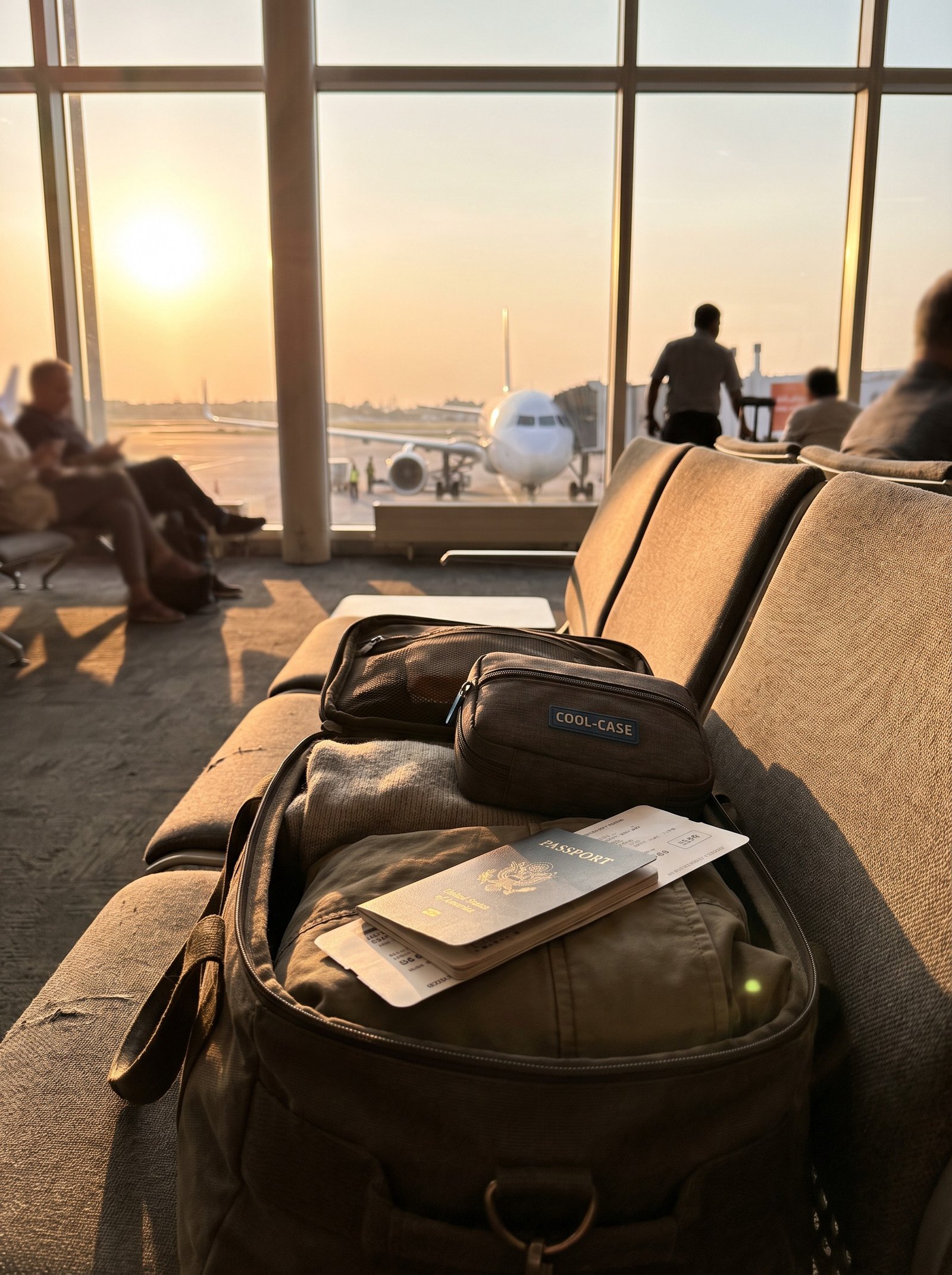
Tips for flights, time zones, and packing insulin safely.
Travel
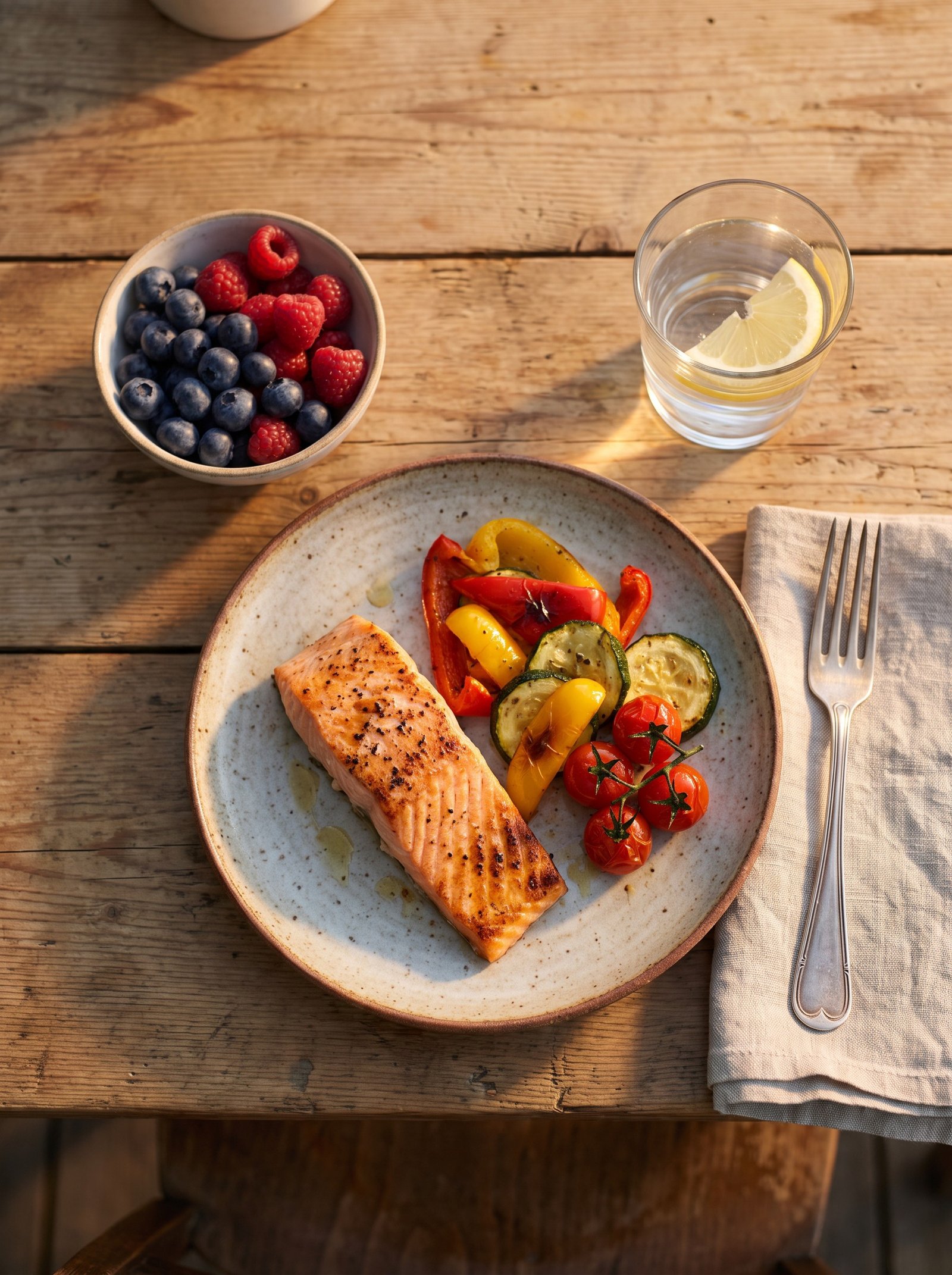
Practical eating advice, without the restriction mindset.
Nutrition
You're not alone — real support and honest conversation.
Mental Health & Community
Exercise smart, stay safe, and keep your levels steady.
Working Out
Guidance for parents raising a child with diabetes.
Children
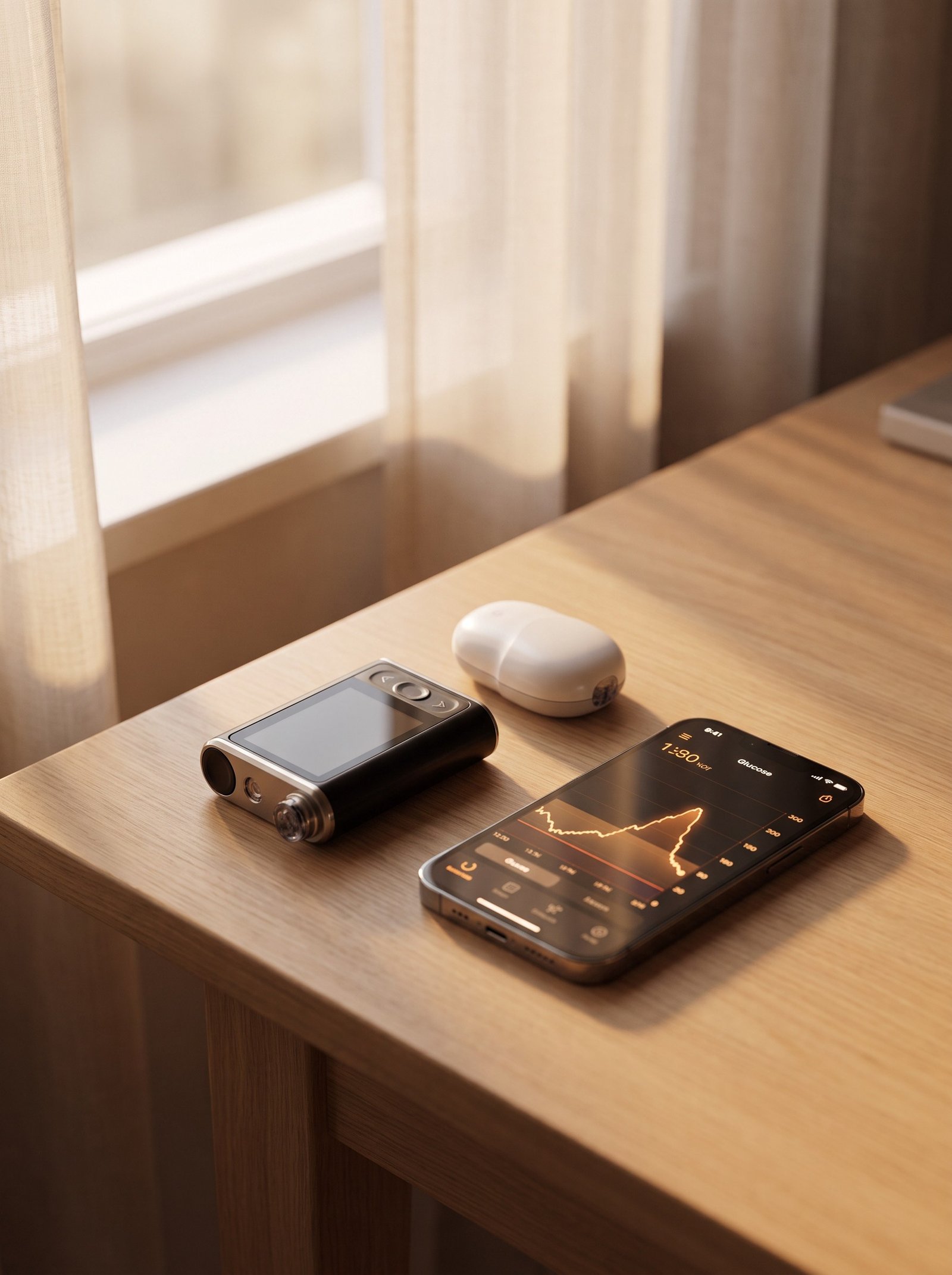
Sensors, pumps, and the tech that makes daily management easier.
Tech & Devices
Small moments, real lessons
A combat soldier one week, a hospital bed in intensive care the next — the day I found out I had type 1 diabetes.
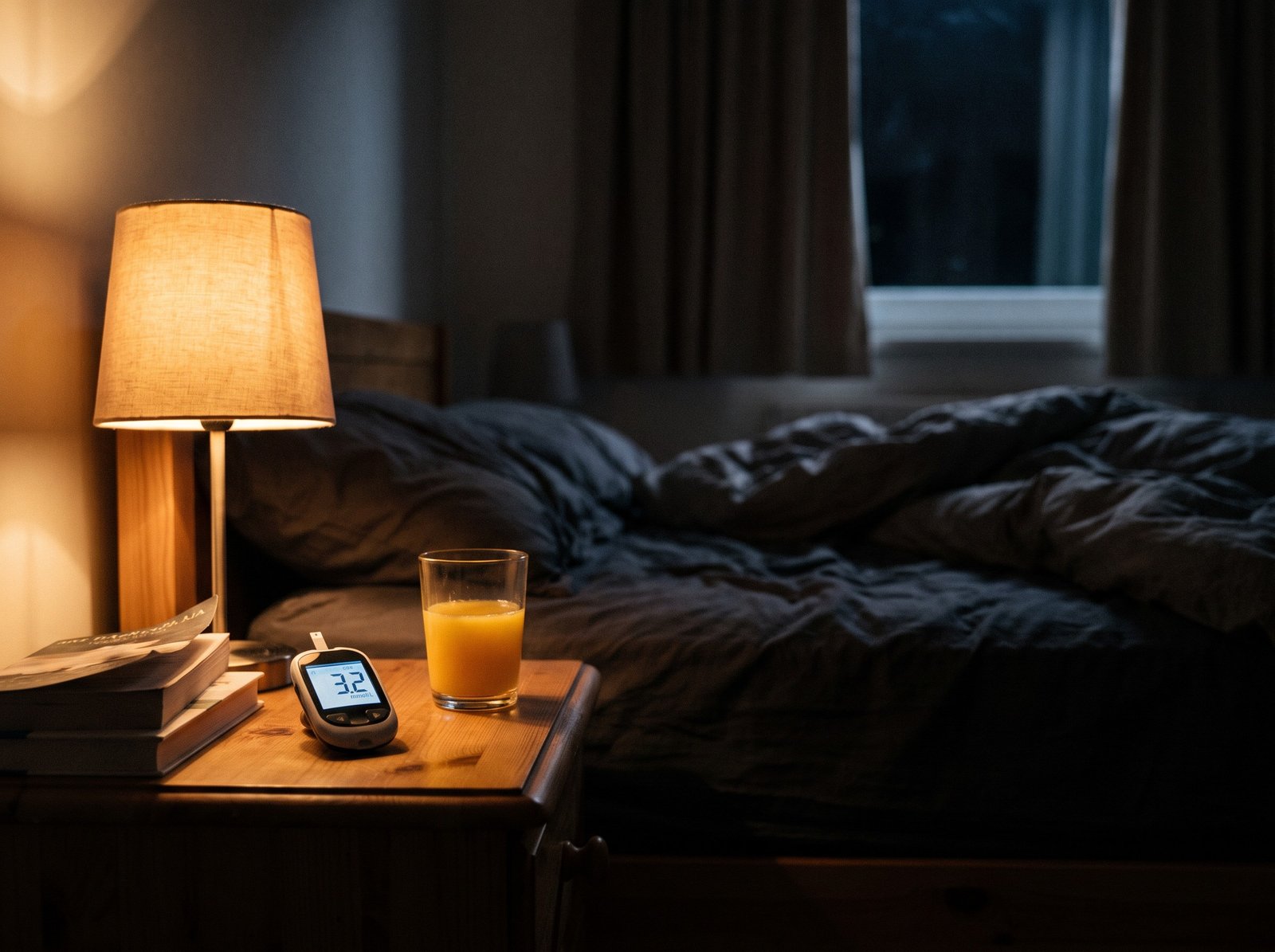
A week after the hospital, I overdid the insulin after a late-night plate of fries. I woke up shaking, sweating, and reading 35.
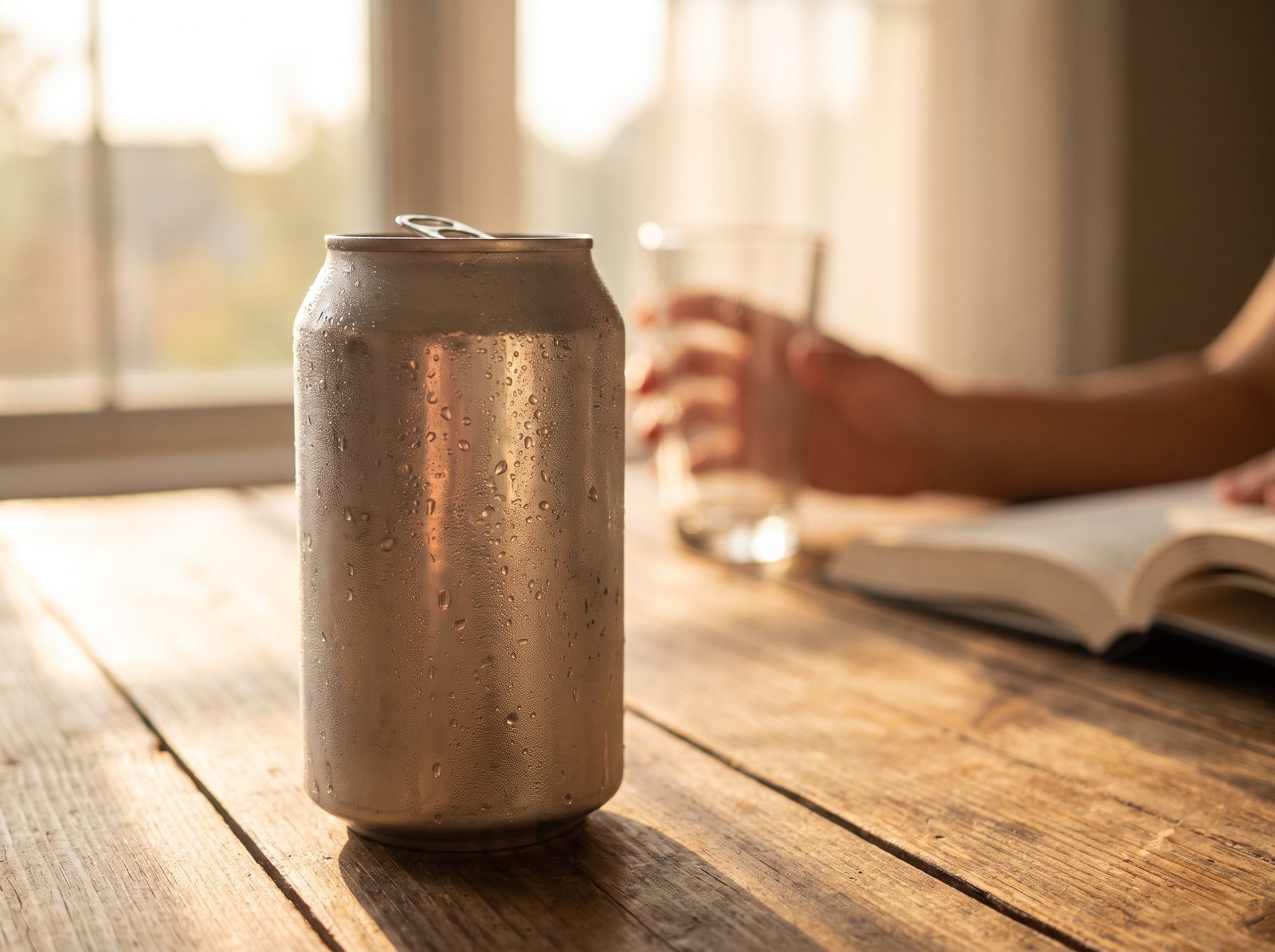
A week after the hospital, I asked for a sugar-free soda. It wasn't. That's how I learned to always check the label.
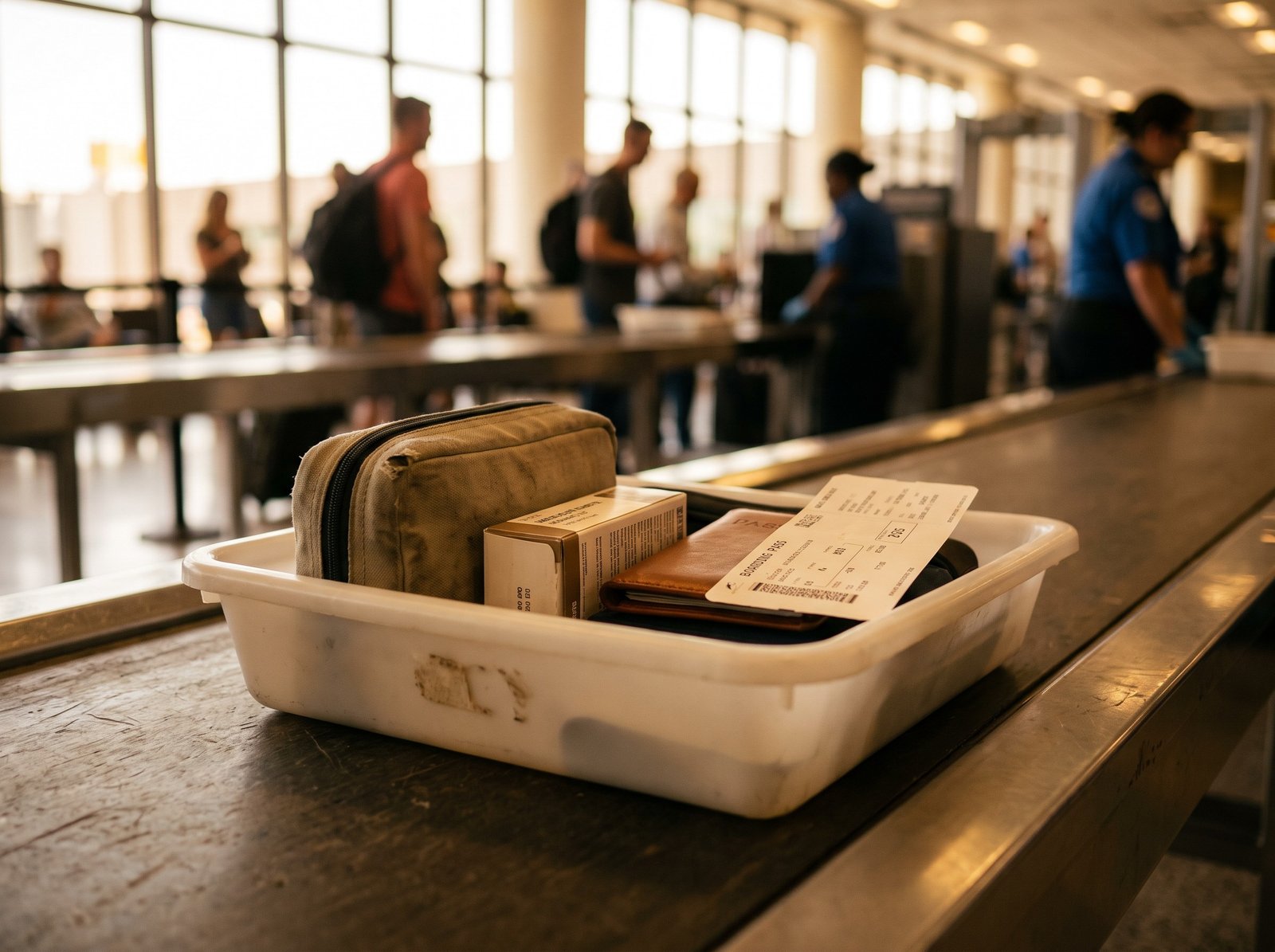
A year after diagnosis, my first trip abroad — security flagged my bag, and I changed my pod in an airplane bathroom.
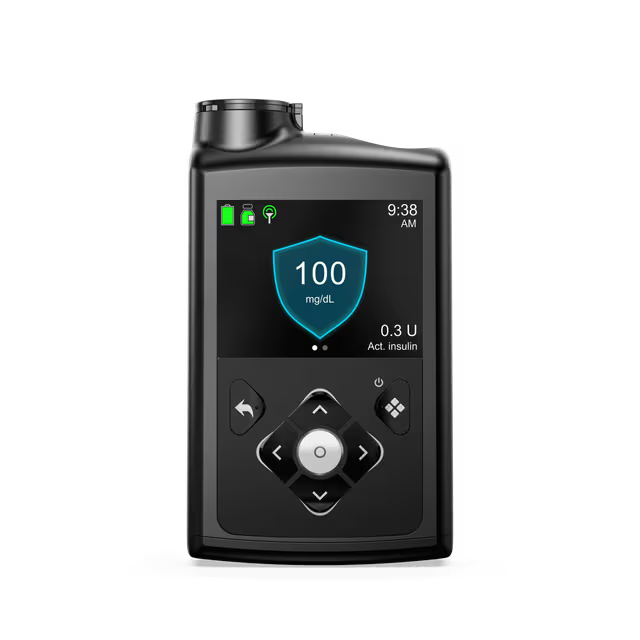
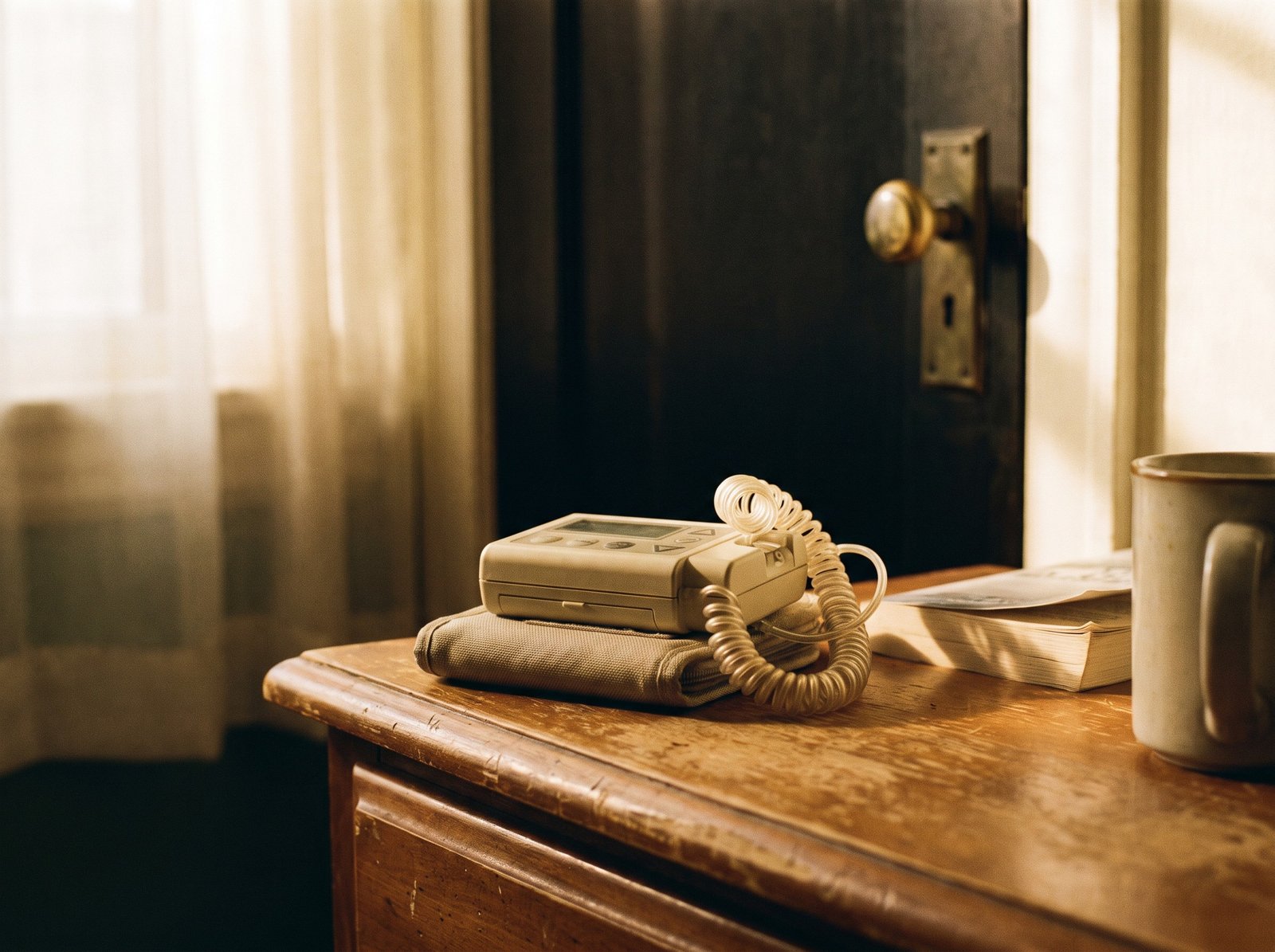
Weeks after my diagnosis I got my first pump — tubing that caught on doorknobs taught me it wasn't the one for me.
Sunrise walk, protein-forward meals, strength training on weekdays — the daily routine that keeps me steady.
My first pump wasn't the right fit, but switching meant two exhausting months fighting insurance for approval.
I hid it for months, afraid of being treated differently. Opening up turned out to make everything easier.
A bit about me
Until I was 18, I was a healthy, active kid. Swimming, basketball, running, and the gym were an inseparable part of my life.
But after almost a year where everything seemed normal, my life changed in an instant.
I was a soldier at the time, in the middle of my military service, when — without any warning — I started losing weight rapidly, almost 20 kilograms. I was vomiting, in stomach pain, and extremely weak. After being hospitalized, I got the news that changed my life: I had type 1 diabetes, and I was being discharged from the army. I was in shock.
In a moment, I went from being a completely healthy person to someone who had to learn to live with a chronic illness. I came home and had no idea how to move forward. I didn't know how to eat, how to exercise, how to balance my blood sugar, or how to handle everything my life had just become.
But at some point, I decided something had to change. I decided I wouldn't let diabetes run my life. I started learning, researching, experimenting, and getting to know my body. I invested in my physical and mental health, went back to working out, and learned how to live alongside diabetes — without giving up who I am or what I dream of.
Along the way, I looked for a place that could help me. I wanted to find a site with clear, simple information, honest recommendations, real experience from people living with diabetes, and explanations about nutrition, exercise, sensors, pumps, medical gear, and everyday coping. But a place like that simply didn't exist.
That's when it hit me: if I was searching for all this and couldn't find it, there were probably thousands of other people feeling exactly like I did — especially in those first moments after diagnosis, when everything feels scary and unfamiliar. That feeling is where this site was born.
My mission is to gather in one place everything I wish I'd had on the day I was diagnosed. A place that speaks at eye level, with reliable information, practical tips, honest recommendations, personal stories, and tools that can make living with diabetes easier, clearer, and less frightening.
Today I live a full, healthy, active life. I learned that you can still chase goals, exercise, travel, work, enjoy life, and do anything you want — even with diabetes. I believe diabetes is part of our lives, but it's not who we are.
If my story, or even a single tip on this site, helps someone feel less alone, understand the condition better, or find hope in a hard moment — then I've done what I set out to do when I built this. Because no one should have to go through this journey alone.

Gear worth knowing about
CGMs, insulin pumps, and the everyday tools that make managing diabetes easier — reviewed honestly, from someone who actually uses them. Exact picks and links are coming soon.
Sensors
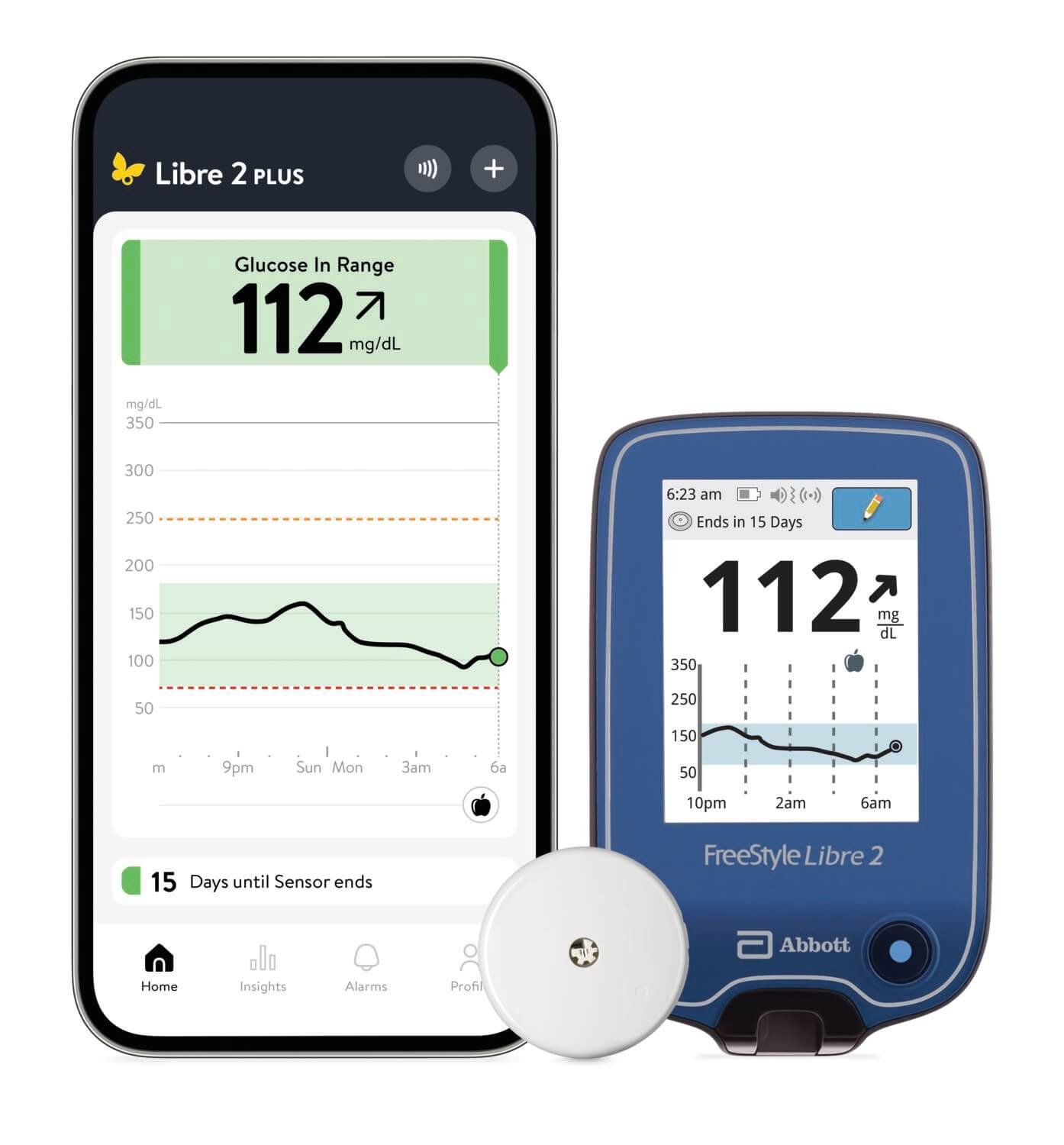
Continuous glucose monitors (CGMs) read your glucose in real time straight from a small sensor on your body — no finger pricks. Here are a few of the ones people actually use day to day.
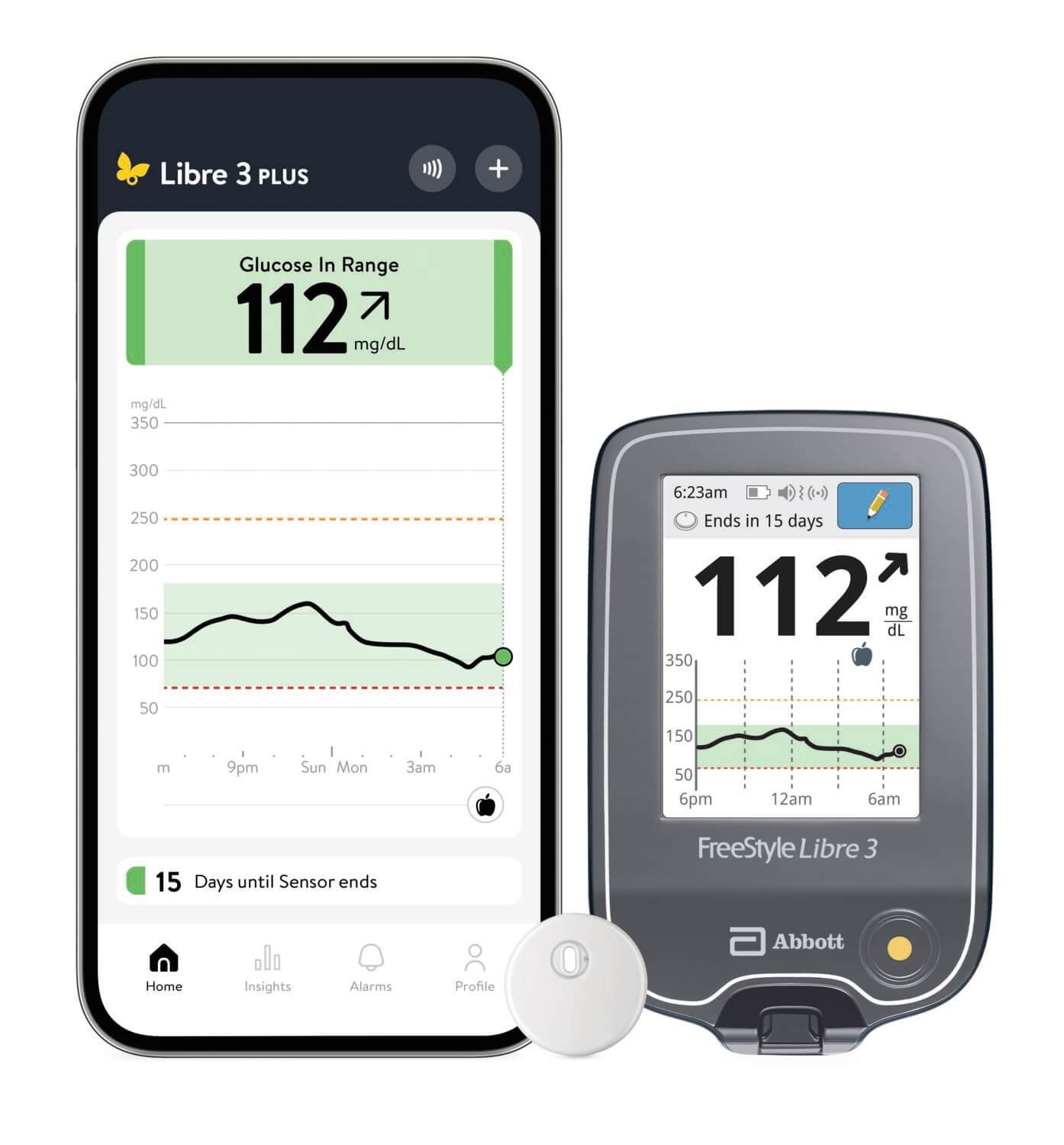
A dependable, widely used sensor with real-time alerts — often a first CGM for a lot of people.
My take: I tried it — it's a bit bigger than the Dexcom G7, and having to scan it with my phone for every reading was a real downside for me.
Smaller, thinner, and streams a reading every minute straight to your phone.
My take: Haven't used it yet, but it intrigues me — tiny, streams continuously without scanning, and the app has reportedly improved a lot. If insurance covered it, I'd consider trying it.
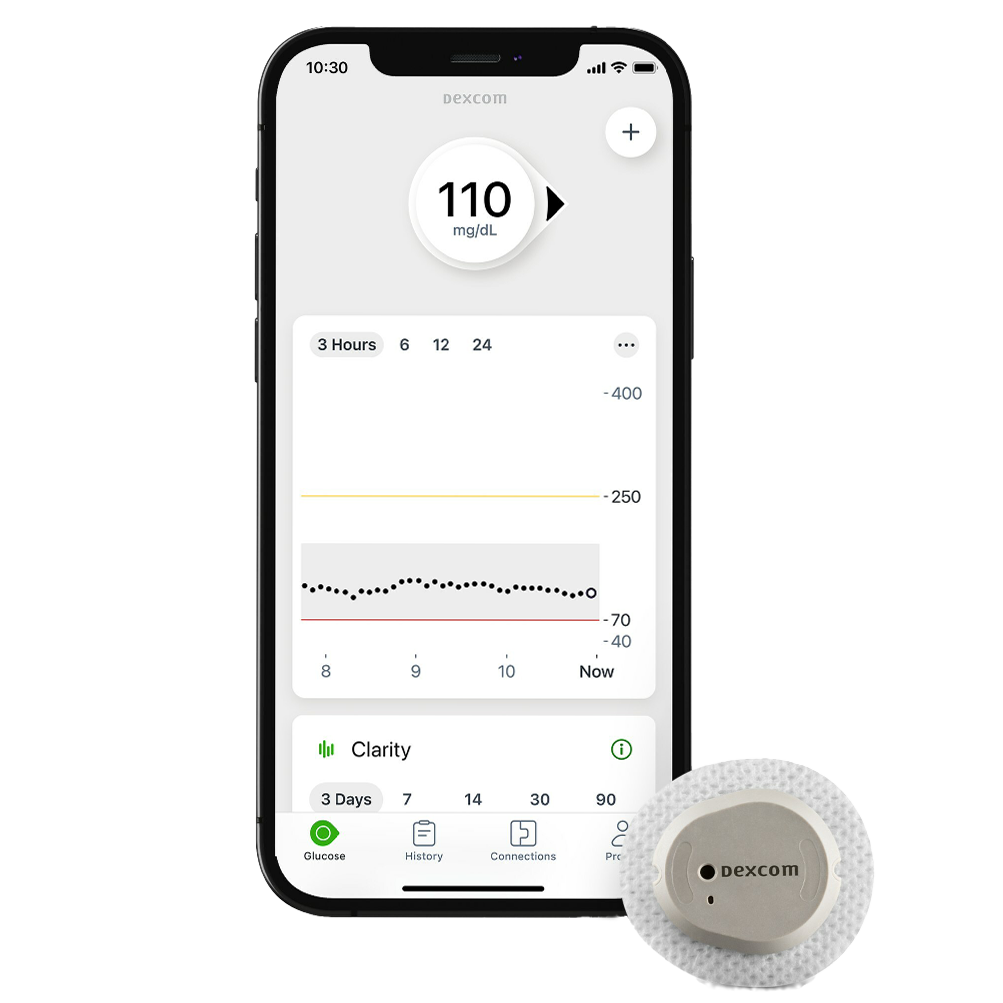
A fast-warming sensor with a strong reputation for accuracy and wide app/pump integration.
My take: This is the sensor I use today, and the one I've connected with most — small, comfortable, and reliable, with adhesive that actually holds. Occasionally the gap from the true value feels a bit bigger than advertised, but overall my experience is excellent.
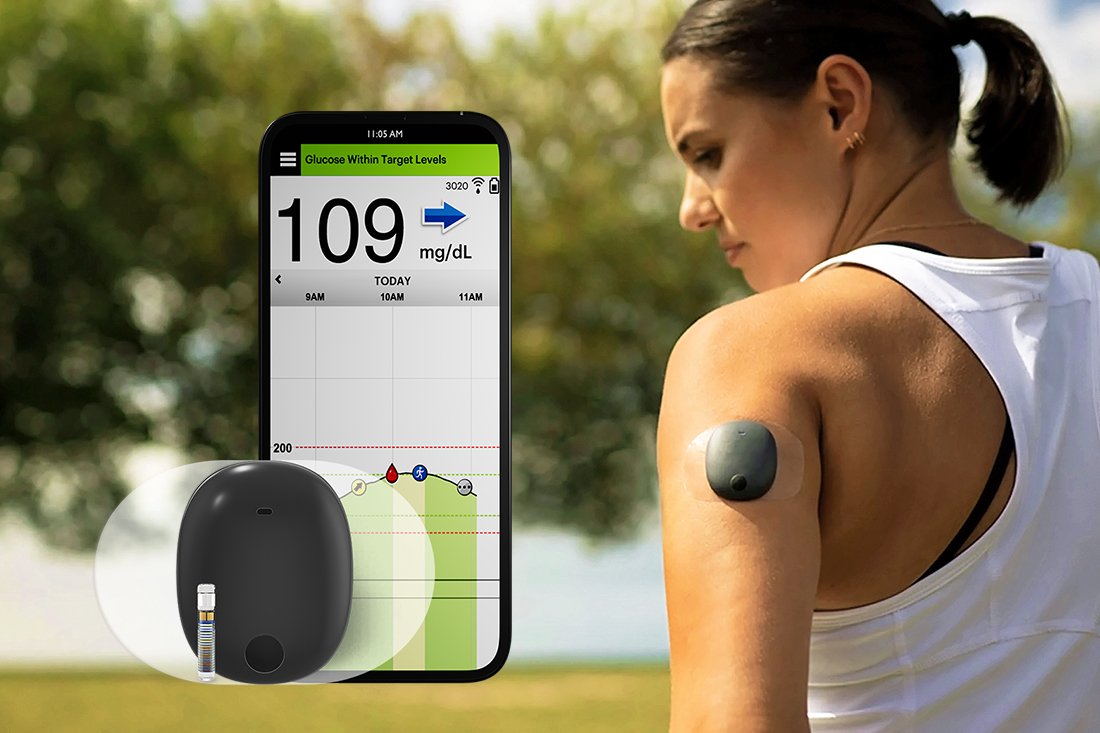
An implantable sensor that lasts up to a full year — no weekly or biweekly changes.
My take: The long-term convenience is a real advantage — no weekly changes, it can't fall off, you shower and live normally. But a sensor implanted in my body for a whole year didn't sit right with me, so I didn't feel comfortable choosing it.
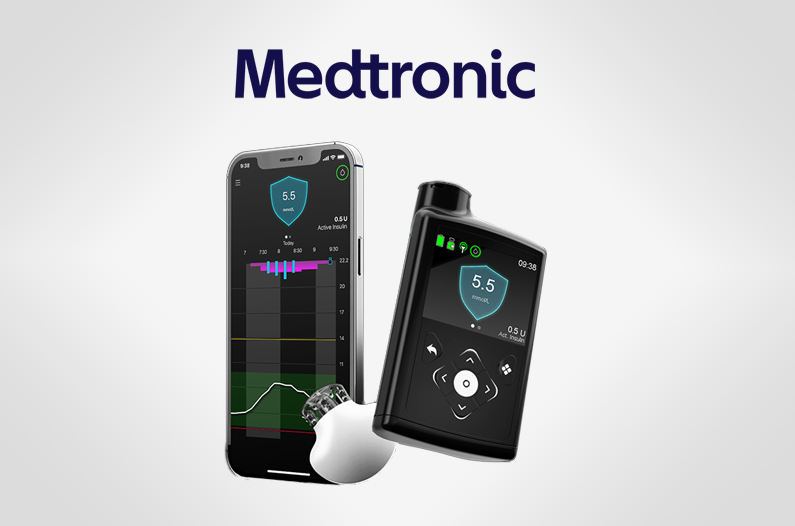
Built to pair with Medtronic's automated insulin pumps for closed-loop management.
My take: My first sensor, as part of a closed loop with my Medtronic pump. The tech was impressive, but insertion was painful and clunky, it needed changing every 7 days, and I bled a lot during swaps — I never really bonded with it.
Insulin Pumps
Insulin pumps deliver small, continuous doses of insulin automatically instead of separate injections, and many now pair with a CGM to adjust doses on their own. Here are a few of the ones people actually use.
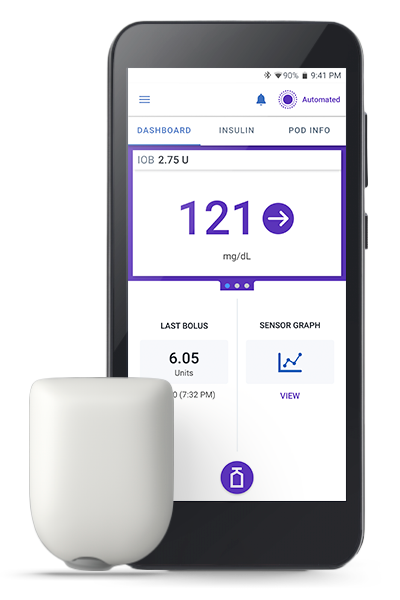
A tubeless pod that pairs with a compatible CGM to adjust insulin automatically, controlled from a phone or controller.
My take: This is the pump I'm switching to now. Tubeless plus a smart closed-loop system, controlled from a phone app — for me it combines exactly the flexibility and automation I was looking for.
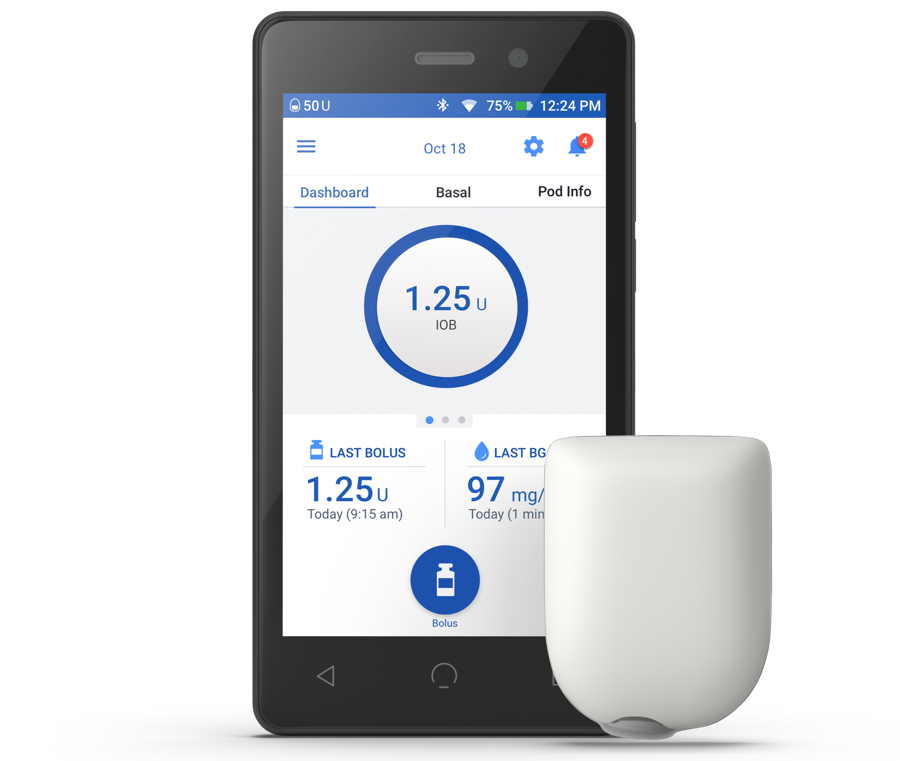
The tubeless pod without automation — simple, discreet, and controlled from a handheld PDM.
My take: The pump I most enjoyed using. Tubeless, so nothing snags or gets in the way, and the full manual control actually made me feel safer — I never had a significant failure with it.
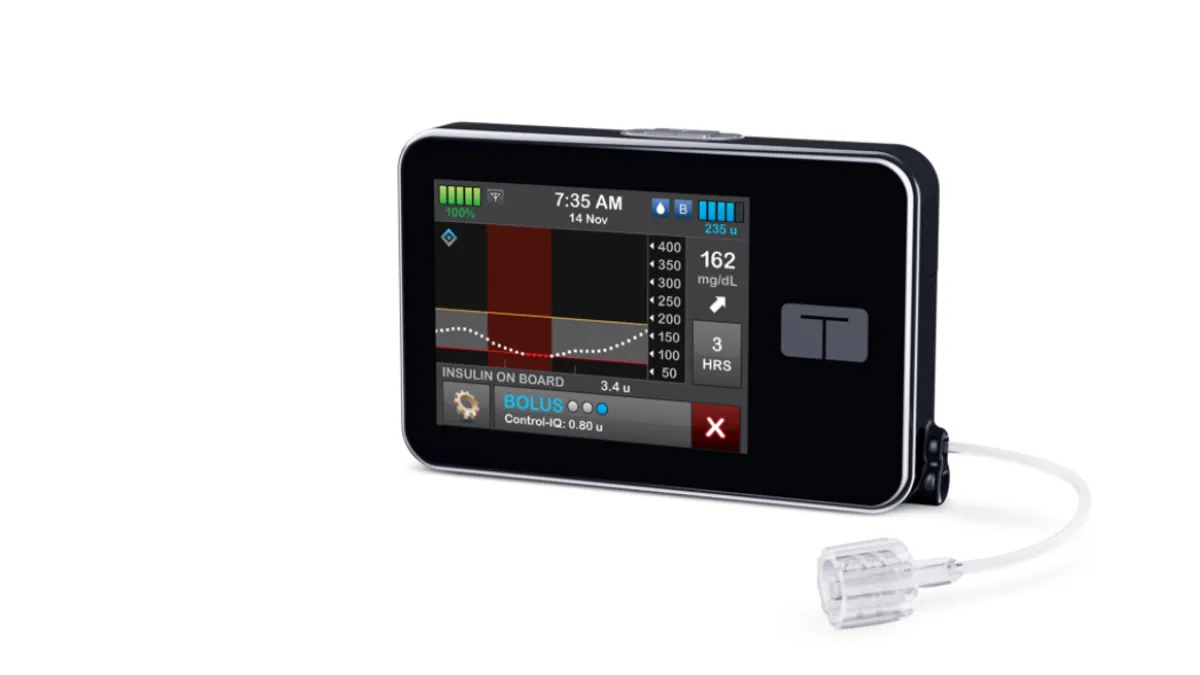
A tubed pump with a touchscreen and Control-IQ technology for automated adjustments.
My take: A very capable smart pump, but it still uses tubing — after my own experience with tubed pumps I chose not to try it. I know plenty of people who use it and are very happy with it.
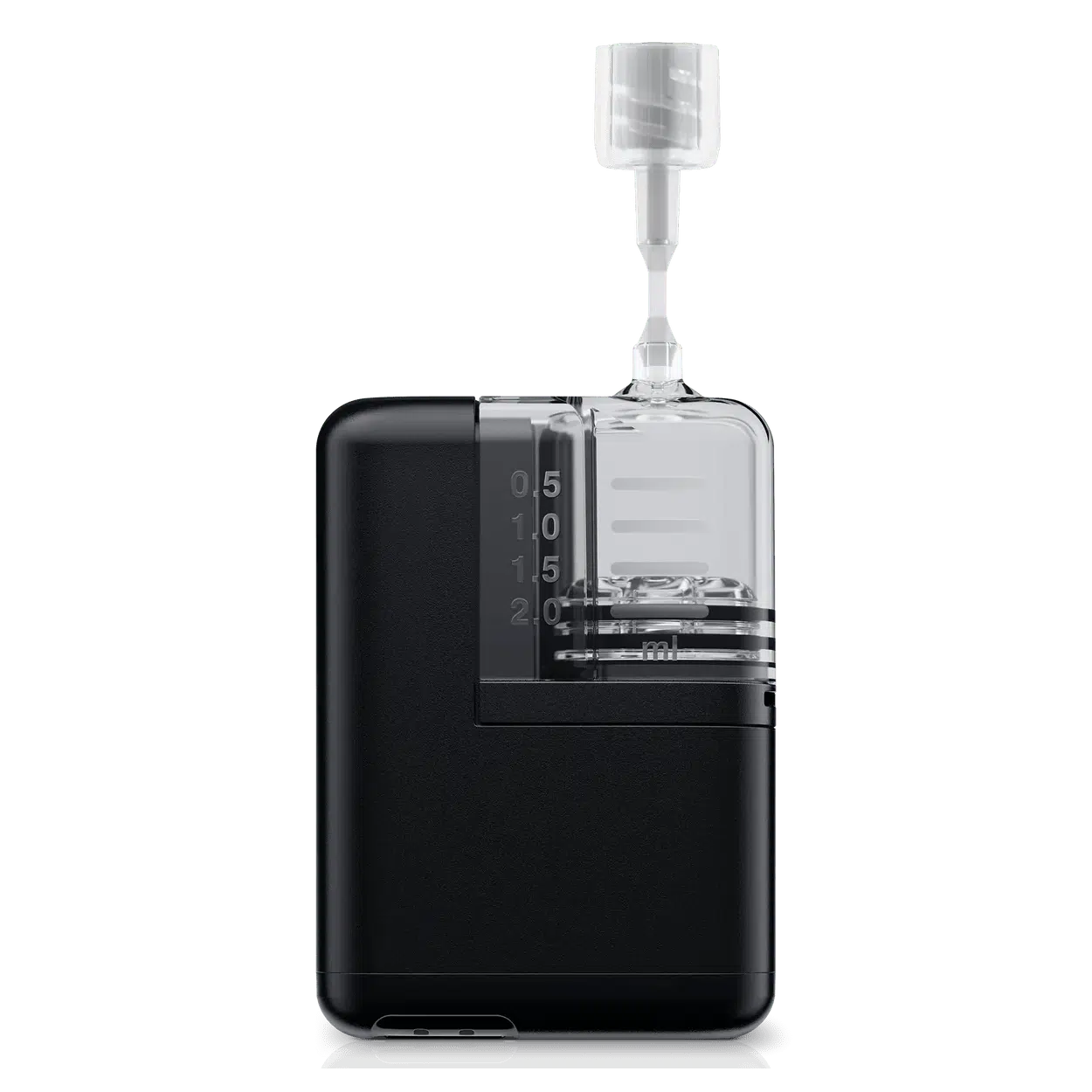
One of the smallest tubed pumps available, controlled almost entirely from your phone.
My take: Haven't tried it, but its compact size allows a shorter tube that's less likely to snag. If I were considering a tubed pump today, this is the first one I'd look at.
A tubed pump with a smart system that adjusts insulin automatically based on real-time readings.
My take: My first pump, about a month after leaving the hospital. The automation was genuinely advanced, but the tubing kept catching on door handles, it felt big and noticeable, and at first I was embarrassed to walk around with it — eventually I looked for something else.
Additional Products
Not sensors or pumps, but the small everyday items that make living with diabetes easier.
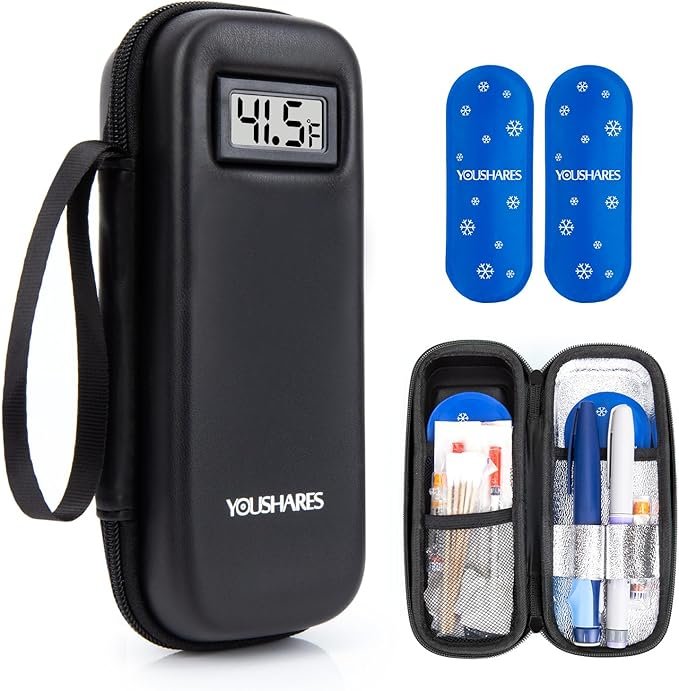
Keeps insulin at a safe temperature while traveling, with a built-in thermometer and slots to organize pens, strips, and syringes.
Look for one like it →
My go-to for treating a low — each piece is about 2.5g of carbs, so it's easy to dose exactly without overdoing it.
Look for one like it →
Gently lifts leftover tape and adhesive residue after removing a sensor or pod, without stripping or irritating the skin.
Look for one like it →
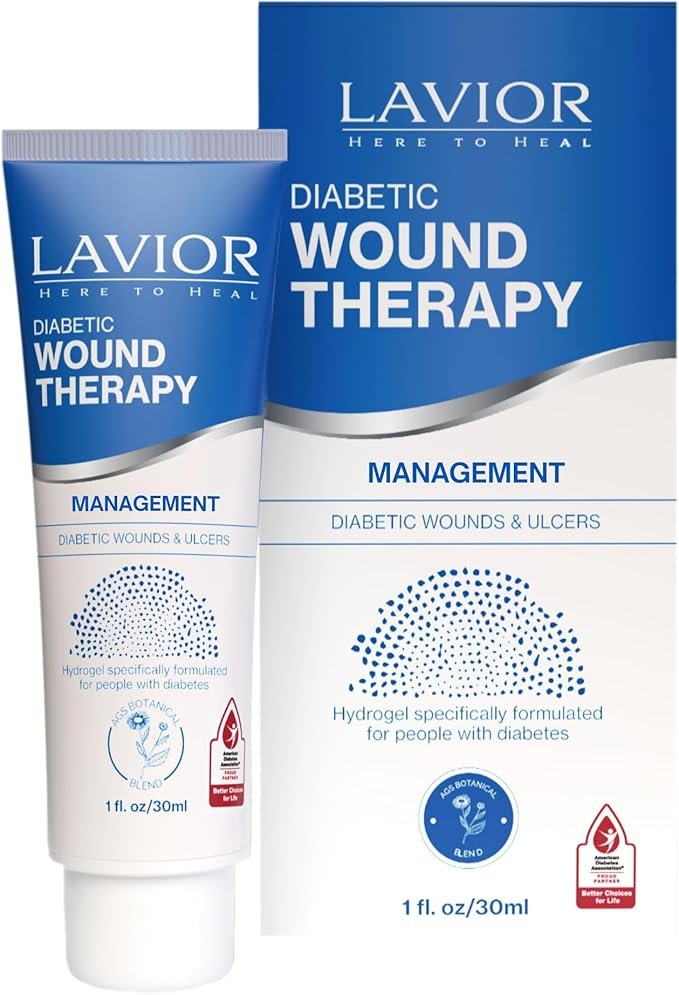
A hydrogel made specifically for diabetic skin, to help the site heal faster after removing a sensor or pod.
Look for one like it →These are simply the exact products I use myself — you don't have to buy this specific one. Any trusted brand works just as well, so pick whatever feels right for you.
Exact products, links, and honest reviews are on the way.
A regular feature
Common myths, surprising facts, and small tips about living with diabetes — a one-minute read, no full guide needed. Updated regularly.
Sugar doesn't directly cause diabetes. Type 1 is an autoimmune condition unrelated to diet. With type 2 the picture is more complex — a high-sugar diet can contribute to excess weight, which is a risk factor, but it's not the only or direct cause.
On trips, vacations, or days with lots of walking, I lower my pump's basal rate in advance — usually to about 50%. Activity makes insulin work harder, and without adjusting, lows become much more likely. Everyone reacts differently, so adjust with your care team's guidance.
Insulin is an effective treatment tool, not a punishment. In type 1 it's essential; in type 2, a progressive condition, the body produces less insulin over time — that's an expected process, not a personal failure.
See 40–50, panic, eat everything in sight — then find yourself at 200–300 an hour later. My rule: eat about 10–15g of carbs, wait 15–20 minutes, and only add another 5–10g if it's still not rising. Precise treatment beats the panic spiral.
It's called the "Dawn Phenomenon" — toward morning your body releases wake-up hormones while the liver releases glucose for energy, and without enough active insulin, sugar climbs before you've eaten anything. What helps me is a short morning walk and getting to bed with balanced levels.
When you're diagnosed, it's easy to feel like you're the only one — I felt that way too. But more than half a billion people worldwide live with diabetes. Once you start noticing, you see sensors and pumps everywhere: on the street, at work, at the gym, even on flights. You're really not alone.

Excess weight is a risk factor for type 2 diabetes, but people at a completely healthy weight develop it too. Type 1 has nothing to do with weight at all — it's an autoimmune condition.
One of the things that surprised me most: the same food, the same workout, even the same insulin dose can affect different people completely differently. Living with diabetes is largely a learning process — tracking your own data, learning from experience, and sharing knowledge with others who live with it.
I keep a small pack of Mentos in my bag, my pocket, and by my bed. Each candy is roughly 2.5g of carbs, so it's easy to dose exactly: for a mild low I'll have two to four — 5 to 10 grams — without overdoing it.
You cannot "catch" diabetes from another person, in any way — neither type 1 nor type 2. It's not an infectious disease, and spreading this myth mostly adds unnecessary stigma.
Physicians in ancient Greece described extreme thirst and frequent urination over 2,000 years ago. "Diabetes" comes from Greek for "to pass through" — fluids seemed to pass right through the body — and "Mellitus" was added later, Latin for "honey-sweet," once high sugar was found in the blood and urine.
Once you're asleep, you stop watching your numbers — a carb-heavy dinner can mean waking up very high without knowing what happened. I build dinner around quality protein, vegetables, and moderate healthy fats, and when I add carbs I pick fiber-rich ones. It makes staying steady overnight much easier.

Keep a page here
One thoughtful story or plain-language research note, roughly every two weeks. No noise, no spam, unsubscribe whenever you like.